Change Management In-House Training
Develop the skills needed to motivate, persuade and inspire those around you to think with a growth mindset.
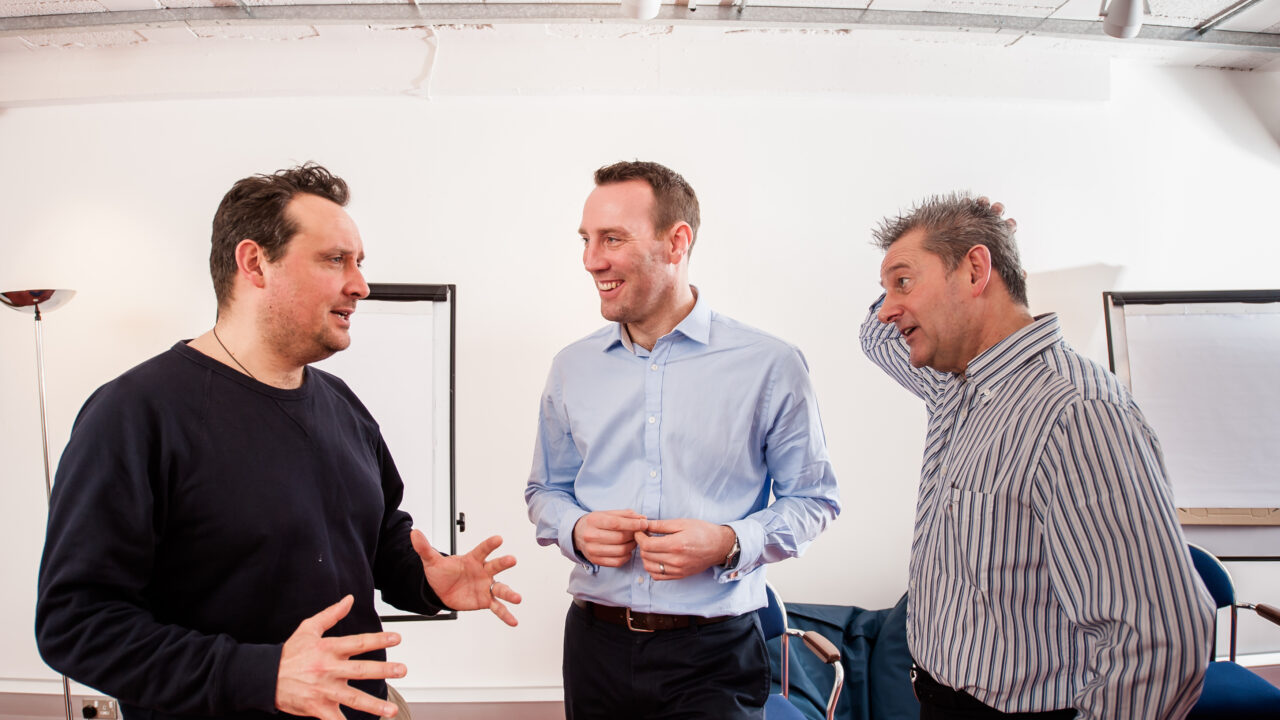
“The training course exceeded my expectations – small group size meant that we all had a chance to work through individual issues and concerns, and the trainers were excellent!”


Stop Changing the Rules!
Change is Inevitable!
Change is constant!
Change is good for you!
Too much change is bad for you!
Change Management Training
Change Needs Managing
How much change we have or whether the change is good or bad for us is irrelevant.
Far more important is Change Management, how we deal with and cope with change.
Good Change Management relies on active change agents within your organisation.
Key people within your organisation with the skill and insight to make a difference to the way things happen around them.
See What We Can Do For You
If you like what you’ve seen and would like to know more please contact our team.
Tailored to Your Needs
A Tailored Change Management Programme will be designed around the needs of your organisation.
Starting with the question, how do you want things to be when the change has been implemented?
In-House Tailored Programme
Change Management Training can be part of an In-House bespoke programme.
An Impact Factory Change Management programme covers:
- Change Resistance
- Assumptions
- Planning
- The Roles People Play
- Conflicting Ways of Thinking
- Perception is Reality
- Change Agents
- Role of Communication
Our in-house Change Management Training addresses the challenge of change head-on.
Your team will create a personal leadership strategy that motivates, persuades, and inspires those around them.
Change Management Training is for:
Everyone who has to deal with change and manage change for others.
Very few, if any, companies are immune from change these days.


Help your people deal with change and manage change for others with a head-on approach.
80% of Change Management Programmes Fail!
Any culture, business, or Organisational Change eats up consultants and training budgets.
And yet 80% of Change Management Programmes Fail!
Most of these failures are attributable to the mismanagement of the people being required to change.
Except for the change experts, everyone is scared of the negative effects of change on themselves.
What’s needed is some understanding of the theory, the effects on jobs and lifestyle and some simple coping strategies.
Your People Always Need Help With Change
Wherever you are with managing change, helping your people is essential.
Most change programmes fail because nobody looks at the emotional fallout and the effect on people’s lives.
If you know there is a danger of productivity dipping because morale is about to plummet in the face of imposed change.
Then giving people support is the single best investment you could make to sustain and develop your changing business.
Benefits of Change Management Training
- Increased Agility:
- Helps create a culture of adaptability and provides the tools to manage transitions effectively.
- Reduced Resistance to Change:
- Involving stakeholders in the change process can minimise resistance and build support for new initiatives.
- Improved Communication:
- Clear and consistent communication ensures that all stakeholders are informed about the changes and their implications.
- Better Risk Management:
- Helps identify potential risks and develop mitigation strategies.
- Enhanced Project Success Rates:
- Increases the likelihood of successful project implementation and adoption of new processes.
- Cost Savings:
- Minimising disruptions, reducing resistance, and improving project success rates can lead to significant cost savings.
- Reduced Uncertainty:
- Helps employees understand the need for change and alleviate associated fears.
- Understanding the Change Process:
- Training should cover the different phases of change, from initiation to stabilisation, and the specific actions required at each stage.
- Increased Engagement:
- Involving employees in the change process provides greater engagement and ownership of the changes.
- Skills Development:
- A change programme is an opportunity to equip employees with new skills and competencies for the changing environment.
- Increased Confidence:
- Employees can become more confident in their ability to navigate future transitions.
- Improved Job Satisfaction:
- When employees feel supported and empowered during transitions, their job satisfaction and morale tend to improve.
- Enhanced Communication:
- Training can improve communication and collaboration skills, enabling employees to work more effectively together during change initiatives.
- Stakeholder Management:
- Stakeholder engagement techniques are crucial for successful change management.
- Building a Change-Ready Culture:
- Creates a culture of adaptability, innovation, and continuous improvement.
- Measuring and Evaluating Change:
- Monitor progress, measure the impact of change, and make adjustments as needed.
- Resistance Management:
- Tools and techniques to identify, understand, and address resistance to change.
In-House Management Skills Training
- We create unique in-house, tailored training programmes for businesses.
- We design these programmes around specific needs and within budget.
- Have a look at the possible combinations of elements in a Management Skills programme below.